A diet for women must meet individual energy and nutrient needs and, at the same time, be possible to maintain in the routine. Weight loss requires a sustainable energy deficit; Hypertrophy requires adequate training, energy and protein. No strategy replaces individual nutritional assessment.
What you need to understand first
Ready-made menus may even suggest meals, but they don't know your routine, preferences, history, symptoms, exams or relationship with food. The most efficient plan is not the most restrictive: it is the one that creates direction without demanding perfection.
The foundation can be built with fresh or minimally processed foods, culinary preparations, variety and planning. Quantities, distribution of meals and sports strategies depend on the objective and must be adjusted by a nutritionist.
The objective is not to produce the most difficult plan. It's about building the clearest plan that can evolve without ceasing to fit into real life.
What a well-structured plan includes
- Evaluation of routine, preferences, history and objective
- Food strategy with individualized quantities
- Replacements for meals, travel and eating out
- Guidance for pre- and post-workout according to schedule and tolerance
- Monitoring of hunger, satiety, performance and evolution
- Gradual adjustments instead of improvised restrictions
How N² Squad works
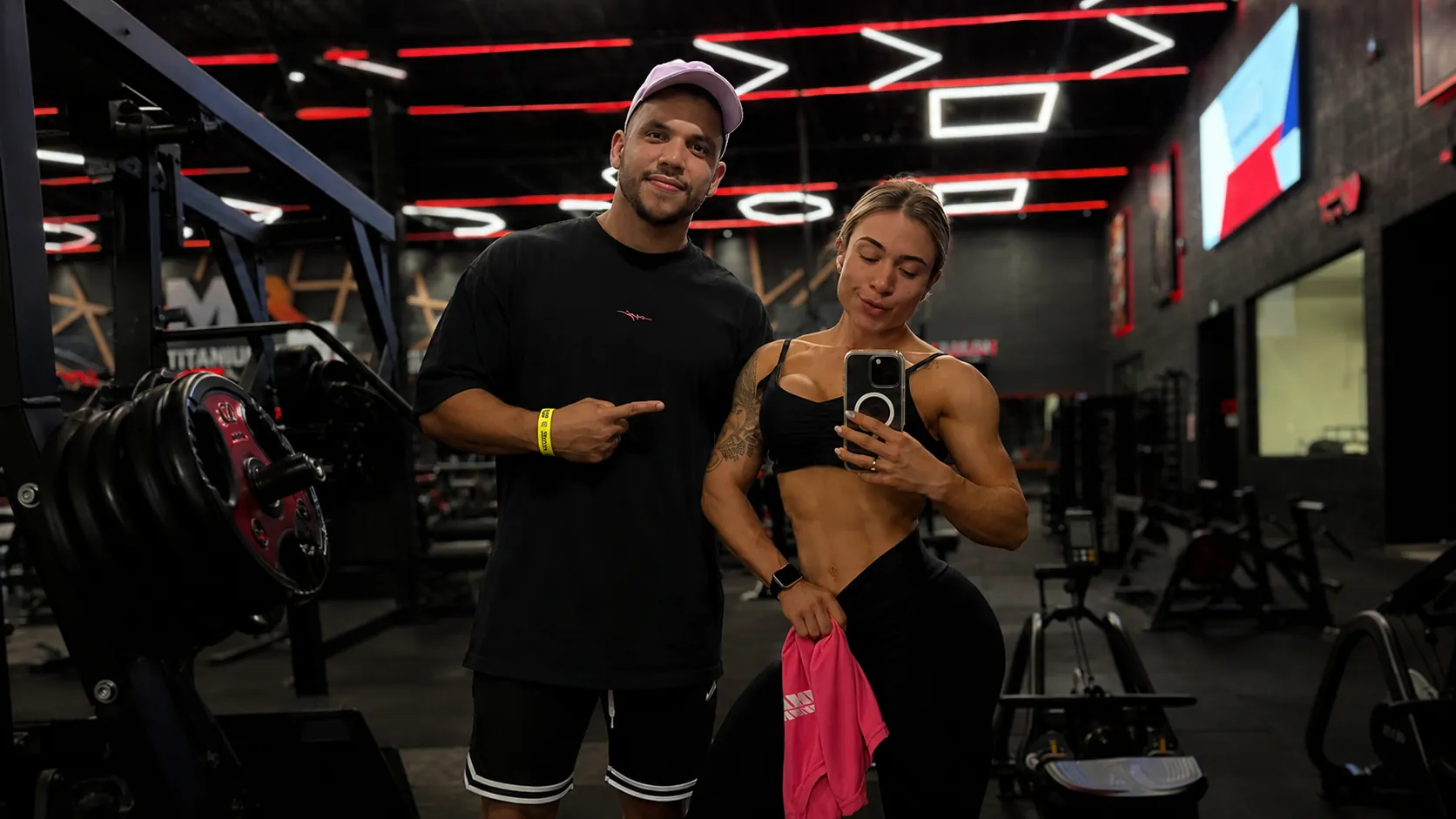
The process begins with a detailed assessment. Cândido Netto organizes the training and Nathália Prado, sports nutritionist CRN-44880, leads the nutrition. In integrated plans, information circulates between the two so that the strategy is not divided into contradictory guidelines.
- Evaluation: goal, history, routine, preferences, availability and reported limitations.
- Planning: training and nutrition are structured within the scope of each professional.
- Execution: application, videos, guidance and support help transform the plan into actions.
- Follow-up: check-ins and questions show what should be maintained or adjusted.
For whom this follow-up might make sense
- Women who want to lose weight without living on a strict diet
- Those who train for hypertrophy, strength or performance
- Women having difficulty organizing meals into their routine
- Those who have already tried several menus and need an individual strategy
The fit needs to be confirmed before hiring. Cases requiring physical examination, diagnosis, or in-person supervision should be referred to the appropriate professional.
Mistakes that reduce results and confidence
- Cutting food groups without clinical need
- Copy someone else's calories and macros
- Treat a different weekend as a total failure
- Use supplement to compensate for disorganized eating
Related content
Frequently asked questions
Do I need to cut out carbohydrates to lose weight?
No. Weight loss depends on energy balance over time. Carbohydrates can be part of a healthy plan and help with training performance.
How many meals should a woman have per day?
There is no mandatory number. Distribution should promote satiety, routine, digestive comfort, adequate intake and performance.
Does a flexible diet work?
It can work when flexibility means planning and variety, not the absence of criteria. Overall food quality and quantities remain important.
Can I eat sweets and lose weight?
Yes, depending on the frequency, quantity and set of meals. An isolated food does not define the result, but portions and context matter.
Do I need to weigh all the food?
Not necessarily. The scale can be a temporary tool for learning portions, but the plan can also use home measurements and hunger and satiety cues.
How much protein does a woman need?
The need varies with weight, training, total energy, stage of life and goal. Physically active women tend to need it more than sedentary people; the nutritionist defines the individual range.
How to maintain the diet at the weekend?
Plan meals further important, choose where it is worth being flexible and resume the routine at the next meal. Extreme compensations tend to worsen the cycle of restriction and exaggeration.
Is the menopause diet different?
It may require special attention to energy, protein, fiber, calcium, vitamin D and cardiometabolic health, always considering exams, symptoms, medications and guidance professional.
Sources and review criteria
The content is educational, was revised on 07/23/2026 and prioritizes official guidelines and scientific literature. It does not replace individual assessment.
Do you want to know if N² Squad suits your current situation?
See deliveries and prices or chat via WhatsApp before hiring.