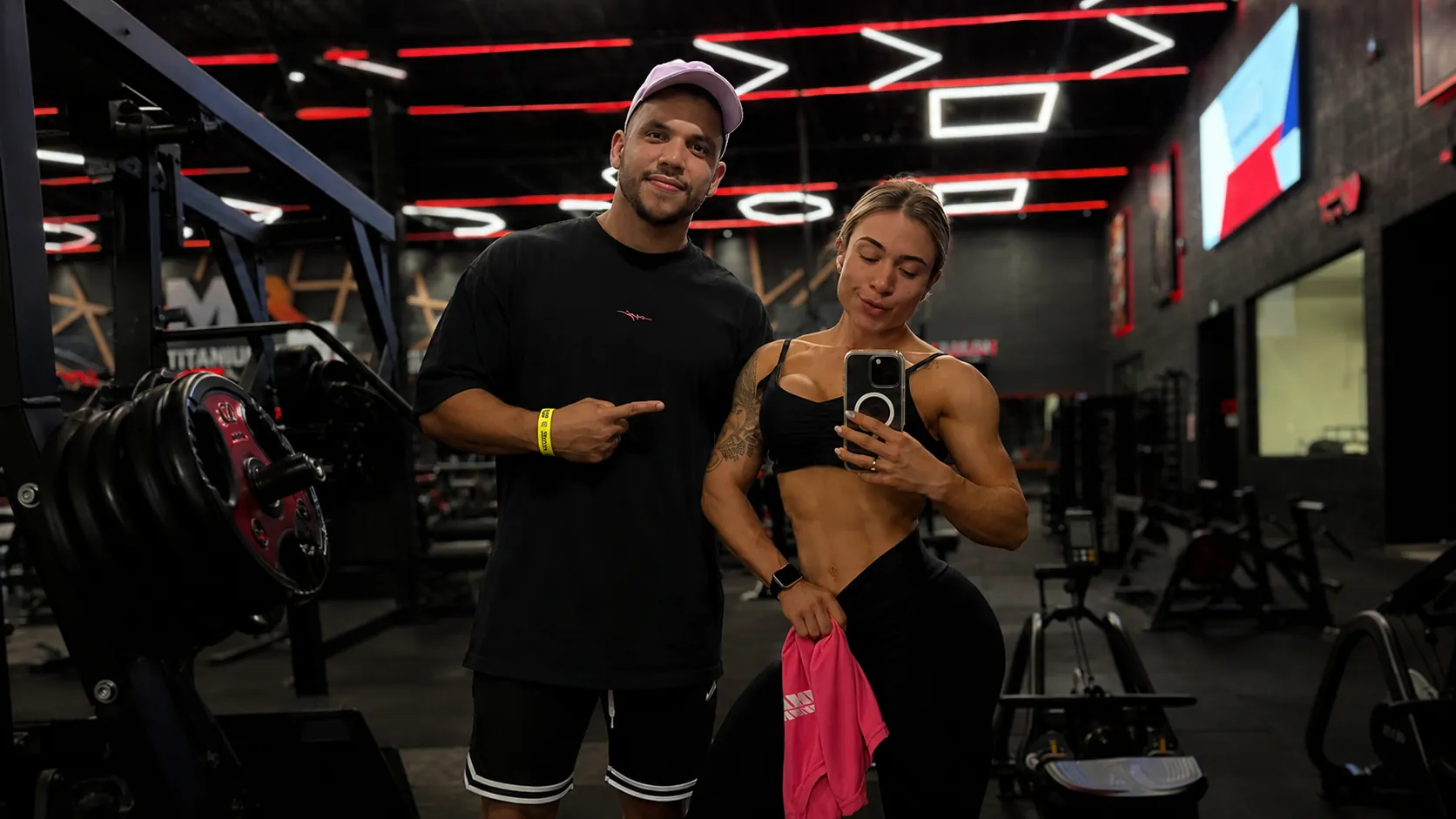
The online personal trainer starts with an assessment, sets up a training session compatible with the objective and resources, delivers instructions in the app and monitors records, messages and videos. Over time, adjust exercises, volume and progression based on the student's response.
What does this mean in practice
The biggest difference for a class is the moment of contact. The student does not need to arrange each live session; executes at the possible time and gathers data for the professional. For this to work, the plan must explain what to record and the support must have a clear flow.
The starting point needs to be simple enough to do and clear enough to measure. The result does not come from an isolated rule, but from the combination of appropriate decision, repetition, observation and adjustment. This is why the same advice may work for one person and need adaptation for another.
Use this content as a map to talk to professionals. The prescription depends on your assessment, your objective and your response to the process.
How to apply without transforming the routine in an impossible project
- Step 1: Initial assessment
- Step 2: In-app assembly and delivery
- Step 3: Exercise adaptation period
- Step 4: Recording of loads and doubts
- Step 5: Check-in and review
Choose one or two points to start and record what happened. If the strategy only works in a perfect week, it is not yet adapted to your life. Monitoring uses these records to differentiate between lack of information, difficulty in execution and the need to change the plan.
Common errors that seem like discipline, but get in the way
- Do not watch demonstrations
- Book the training as completed without recording anything
- Exchange exercise on your own
- Wait for check-in to report pain
Noticing an error does not mean that the process failed. It means that information has emerged for the next decision. Gradual adjustments preserve learning and help understand which variable really changed the result.
Limits, safety and individualization
Remote analysis has limits. The staff must provide in-person assessment when they are unable to respond confidently via video or report.
Health and exercise content should be transparent about uncertainty. Tracks and recommendations describe group trends; the decision for a person considers history, symptoms, preferences, exams when relevant and professional responsibility.
Frequently asked questions
Do I need to train at a scheduled time?
In the consultancy model, no. You perform at the times defined in your routine.
How do I receive the plan?
In N², training is available on an app with videos and guidance.
When does the situation change?
When data and objective justify adjustment, not necessarily on a fixed date.
Can I train while traveling?
The plan can be temporarily adapted depending on space and equipment, if this is part of the support.
Sources and review criteria
The content is educational, was revised on 07/23/2026 and prioritizes official guidelines and scientific literature. It does not replace individual assessment.
Do you want to transform general guidance into a plan made for you?
Discover the online personal trainer guide and see how the integrated consultancy works.