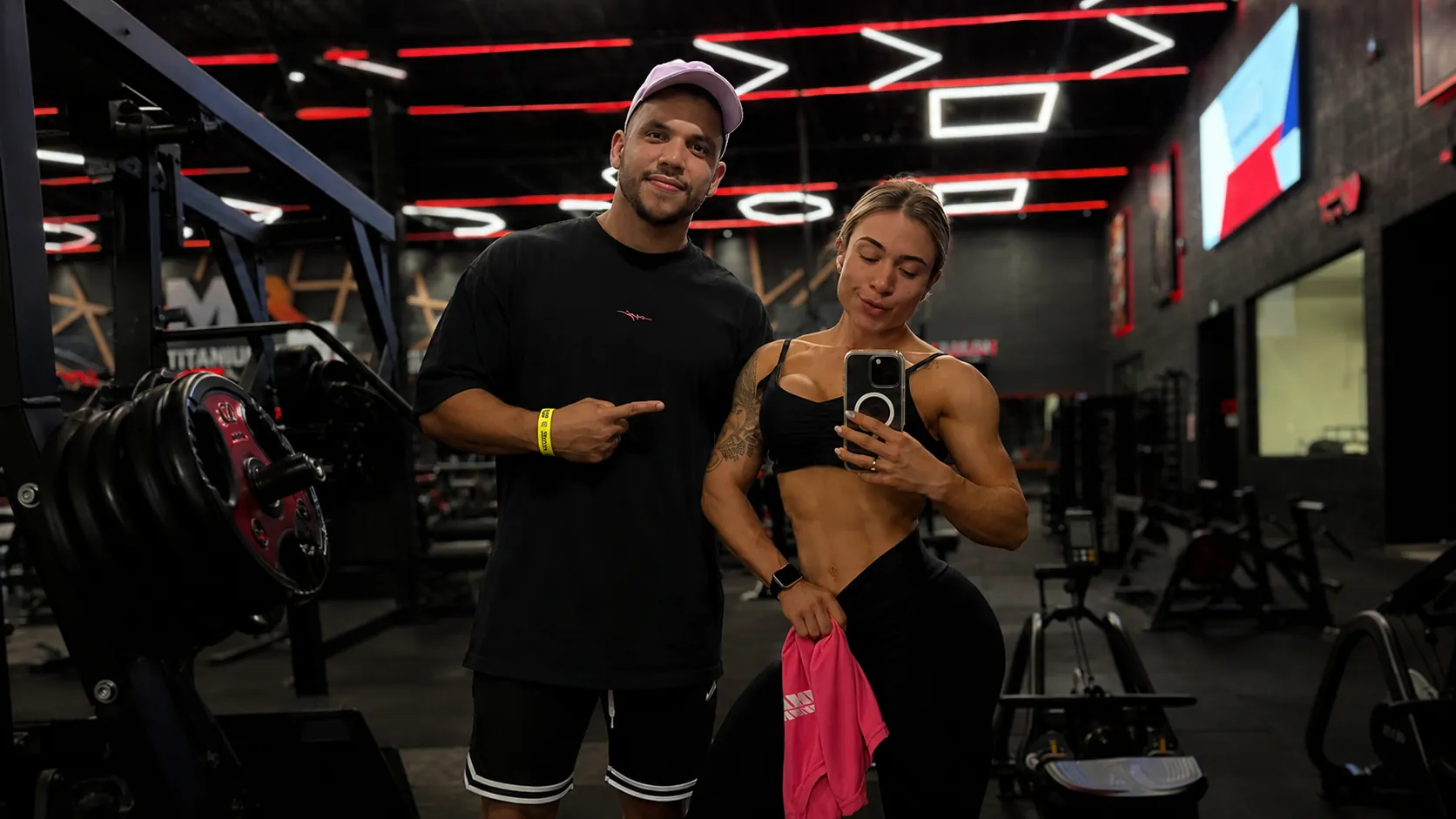
Women's training is bodybuilding and exercise planned according to each woman's objective, experience, routine, recovery and possible limitations. There is no universal form: exercises, volume, frequency and progression need to be adjusted and monitored over time.
What you need to understand first
A good program starts with what the student can execute safely and consistently. The weekly division only makes sense when it fits into the schedule, allows recovery and offers progressive stimulation to priority muscle groups.
Women gain strength and muscle mass with resistance training. Planning can consider preferences, symptoms and stages of life, but it should not be based on stereotypes or force every woman to train in a specific way.
The objective is not to produce the most difficult plan. It's about building the clearest plan that can evolve without ceasing to fit into real life.
What a well-structured plan includes
- Evaluation of history, routine, experience and reported limitations
- Weekly division compatible with real availability
- Selection of exercises for the gym or training at home
- Repetition ranges, sets, effort and intervals explained
- Recording of loads and progression without unnecessary jumps
- Reviews according to execution, recovery and evolution
How N² Squad works
The process begins with a detailed assessment. Cândido Netto organizes the training and Nathália Prado, sports nutritionist CRN-44880, leads the nutrition. In integrated plans, information circulates between the two so that the strategy is not divided into contradictory guidelines.
- Evaluation: goal, history, routine, preferences, availability and reported limitations.
- Planning: training and nutrition are structured within the scope of each professional.
- Execution: application, videos, guidance and support help transform the plan into actions.
- Follow-up: check-ins and questions show what should be maintained or adjusted.
For whom this follow-up might make sense
- Beginning women who want to learn without feeling lost
- Students who have been training for months, but have stopped progressing
- Those looking for hypertrophy, definition, strength or weight loss
- Women with a busy routine, in menopause or returning after a break
The fit needs to be confirmed before hiring. Cases requiring physical examination, diagnosis, or in-person supervision should be referred to the appropriate professional.
Mistakes that reduce results and confidence
- Copy a form without considering level and available equipment
- Swap all exercises before learning and measuring progression
- Confusing tiredness, pain or sweat with the quality of the stimulus
- Increase volume and frequency without observing recovery
Related content
Frequently asked questions
Does women's training need to be different from men's training?
The principles of strength and hypertrophy are the same. Personalization must consider objective, experience, anatomy, preferences, routine and individual response — not just gender.
How many times a week should a woman train?
For many women, two to four well-distributed sessions already allow for progress. The best frequency is the one that offers sufficient stimulus, recovery and constancy.
Does bodybuilding make women masculine?
No. Muscle gain is gradual and depends on training, diet, time and individual characteristics. Weight training can improve strength, autonomy and body composition.
Is it necessary to train until failure in all series?
No. Failure can be used strategically, but technique, effort control and recovery matter. Beginners usually progress without pushing the entire series to the limit.
Does home training work for women?
It works when there are adequate exercises, progression and some way to increase the challenge. The gym offers more load options, but it's not the only way to get started.
How do I know if the training plan is working?
Observe the evolution of loads or repetitions, technical quality, measures consistent with the objective, recovery and adherence. A single session or daily weight does not answer this.
Can I train during my period?
In general, yes, if you feel good. Symptoms vary; the adjustment should respond to your perception of effort and well-being, without universal rules based solely on the calendar.
When does training need to be updated?
When the plan stops generating progression, the routine changes, limitations arise or the objective is changed. Updating does not mean changing everything: often it is enough to adjust load, volume or specific exercises.
Sources and review criteria
The content is educational, was revised on 07/23/2026 and prioritizes official guidelines and scientific literature. It does not replace individual assessment.
Do you want to know if N² Squad suits your current situation?
See deliveries and prices or chat via WhatsApp before hiring.