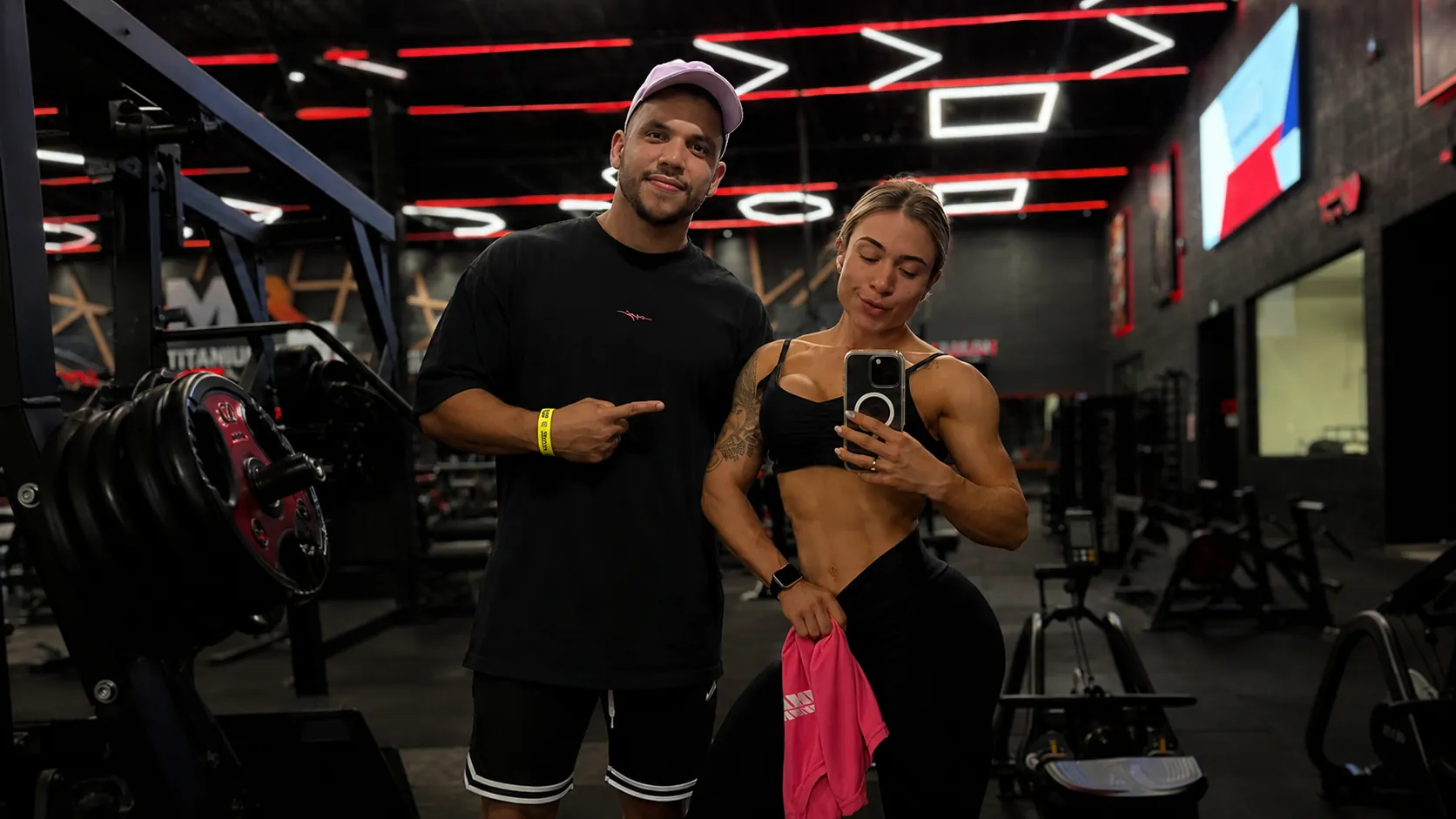
In menopause, strength training remains an important strategy for strength, function and body composition. The plan must consider experience, symptoms, sleep, bone health, clinical conditions and recovery, without assuming that every woman needs to reduce intensity.
What does this mean in practice
The menopausal transition does not produce the same experience for everyone. Hot flashes, changes in sleep, pain, stress and changes in routine can affect mood. Instead of applying a form based solely on age, the professional observes performance and symptoms and chooses sustainable progressions. Aerobic activity and strength training can be combined according to objective and preference.
The starting point needs to be simple enough to do and clear enough to measure. The result does not come from an isolated rule, but from the combination of appropriate decision, repetition, observation and adjustment. This is why the same advice may work for one person and need adaptation for another.
Use this content as a map to talk to professionals. The prescription depends on your assessment, your objective and your response to the process.
How to apply without transforming the routine in an impossible project
- Step 1: Evaluate your health history and conditions
- Step 2: Start with stable exercises and controlled technique
- Step 3: Progress load or repetitions gradually
- Step 4: Include movements for large muscle groups
- Step 5: Adjust session on days of poor sleep or symptoms
Choose one or two points to start and record what happened. If the strategy only works in a perfect week, it is not yet adapted to your life. Monitoring uses these records to differentiate between lack of information, difficulty in execution and the need to change the plan.
Common errors that seem like discipline, but get in the way
- Treat menopause as an inability to train hard
- Ignore bone health and history of falls
- Change training only based on the hormonal calendar
- Try to compensate for body changes with excess cardio
Noticing an error does not mean that the process failed. It means that information has emerged for the next decision. Gradual adjustments preserve learning and help understand which variable really changed the result.
Limits, safety and individualization
New symptoms, bleeding, chest pain, shortness of breath outside of expectations, dizziness or uncontrolled clinical condition require health assessment. The content is educational and does not replace medical care.
Health and exercise content should be transparent about uncertainty. Tracks and recommendations describe group trends; the decision for a person considers history, symptoms, preferences, exams when relevant and professional responsibility.
Frequently asked questions
Is bodybuilding safe after 50?
It can be safe and beneficial when exercises and progression are suitable for the person and health conditions.
Do I need to train lighter?
Not as a rule. Intensity must be individualized by technique, experience, symptoms and recovery.
Cardio or strength training?
Both can contribute. Strength is important for muscle and function; Aerobic activity helps conditioning and cardiometabolic health.
Does menopause prevent hypertrophy?
No. Women after menopause can gain strength and muscle mass, although pace and recovery are individual.
Sources and review criteria
The content is educational, was revised on 07/23/2026 and prioritizes official guidelines and scientific literature. It does not replace individual assessment.
Do you want to transform general guidance into a plan made for you?
Discover the female training guide and see how the integrated consultancy works.