Training and diet have different and complementary roles. Training provides stimulus for strength, conditioning and muscle mass; Food provides energy, nutrients and context for recovery and weight change. The best results appear when the two fit into the same routine and are adjusted together.
What you need to understand first
In weight loss, food usually plays a direct role in creating an energy deficit, while training helps preserve or develop muscle mass, improve physical capacity and sustain habits. In hypertrophy, the progressive stimulus needs to be accompanied by sufficient energy and protein.
Integration does not mean absolute control. It means that the week was planned with priorities, alternatives and adjustment criteria. If the training time changes, the eating plan must remain executable; whether the diet reduces energy, volume and recovery from training needs to be observed.
The objective is not to produce the most difficult plan. It's about building the clearest plan that can evolve without ceasing to fit into real life.
What a well-structured plan includes
- Objective and indicators defined together
- Workout compatible with available time and recovery
- Food compatible with training, preferences and routine
- Check-ins that cross performance, hunger, energy and evolution
- Coordinated adjustments instead of contradictory decisions
- Plan B for busy weeks, trips and unforeseen events
How N² Squad works
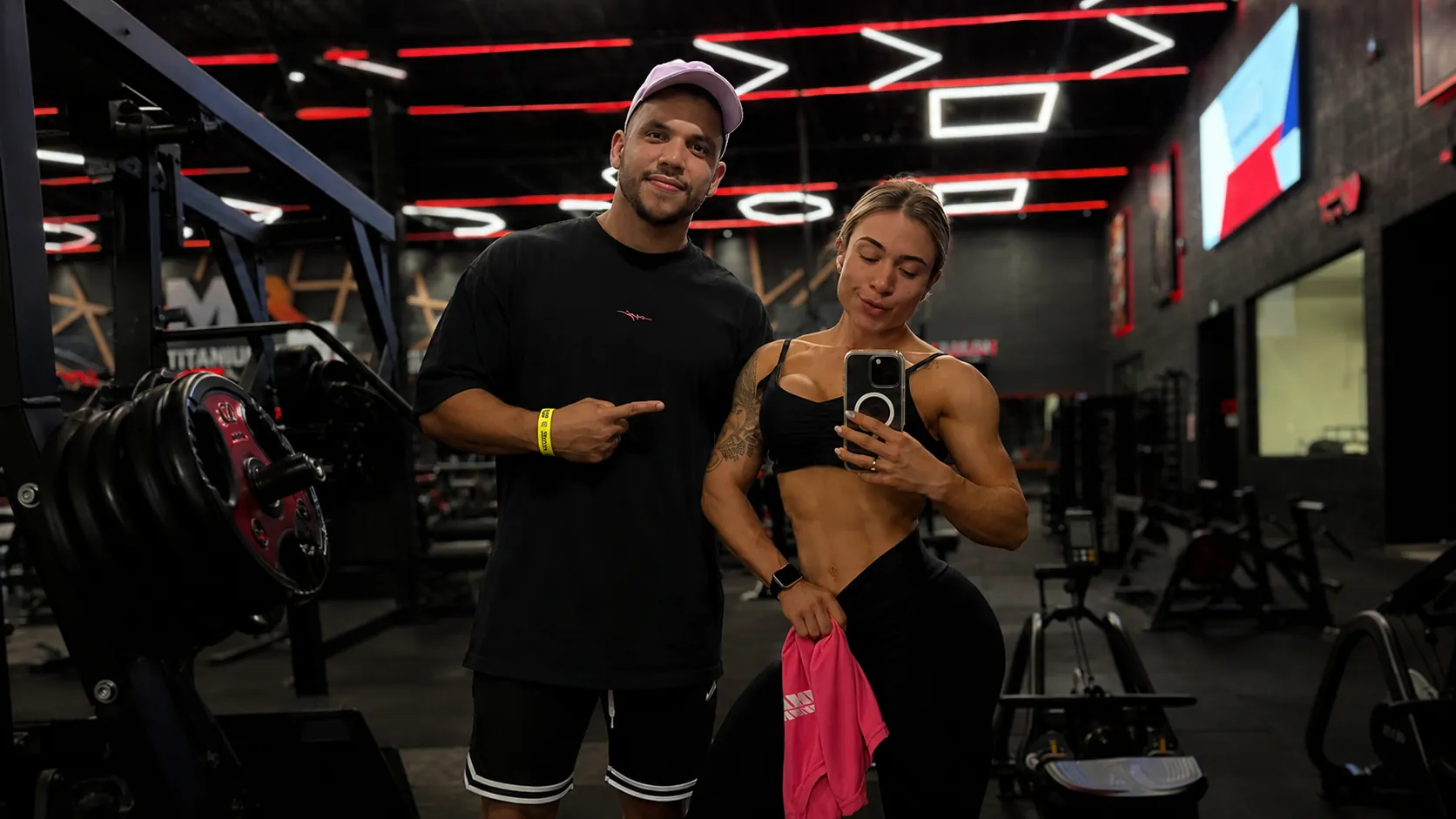
The process begins with a detailed assessment. Cândido Netto organizes the training and Nathália Prado, sports nutritionist CRN-44880, leads the nutrition. In integrated plans, information circulates between the two so that the strategy is not divided into contradictory guidelines.
- Evaluation: goal, history, routine, preferences, availability and reported limitations.
- Planning: training and nutrition are structured within the scope of each professional.
- Execution: application, videos, guidance and support help transform the plan into actions.
- Follow-up: check-ins and questions show what should be maintained or adjusted.
For whom this follow-up might make sense
- Women who train, diet and still don't see consistency
- Those who want to lose weight while preserving strength and muscle mass
- Women experiencing hypertrophy who need to organize energy and protein
- Those who want to stop depending on daily motivation
The fit needs to be confirmed before hiring. Cases requiring physical examination, diagnosis, or in-person supervision should be referred to the appropriate professional.
Mistakes that reduce results and confidence
- Change training and diet at the same time without knowing what worked
- Reduce food aggressively and try to increase the entire training volume
- Confusing a day off plan with a complete loss of progress
- Measure everything just by the scale and ignore performance and measurements
Related content
Frequently asked questions
Training or diet: what matters more?
It depends on the objective. For weight loss, the diet directly influences the energy deficit; For strength and muscle mass, training is the essential stimulus. The two together produce a more complete process.
Can you lose weight and gain muscle at the same time?
In some contexts, especially for beginners, returning to training or people with greater body fat, recomposition may occur. Pace varies and should not be promised.
Do I need a personal trainer and a nutritionist at the same time?
It is not mandatory, but integration can reduce contradictions and speed up adjustments. Each professional needs to act within their own competence.
How to organize training and diet in a running routine?
Define the minimum viable: sessions that fit into the week, basic meals, simple and alternative purchases. First build repetition; then increase complexity.
What to do after leaving the diet?
Resume the next planned meal. Don't try to compensate with fasting, guilt, or punishing training. Observe the context and adjust the strategy if the situation repeats itself.
How to measure if the plan is working?
Use measurement trends, optional photos, loads, repetitions, energy, hunger, sleep and adherence. A single isolated piece of data can be deceiving.
How long does it take to see results?
The process is individual. Routine and performance improvements may appear before visual changes; body composition requires weeks and months of consistency.
Why integrate training and nutrition in the same consultancy?
Because changes in energy, routine and goals affect both sides. Communication between professionals makes adjustments more coherent.
Sources and review criteria
The content is educational, was revised on 07/23/2026 and prioritizes official guidelines and scientific literature. It does not replace individual assessment.
Do you want to know if N² Squad suits your current situation?
See deliveries and prices or chat via WhatsApp before hiring.