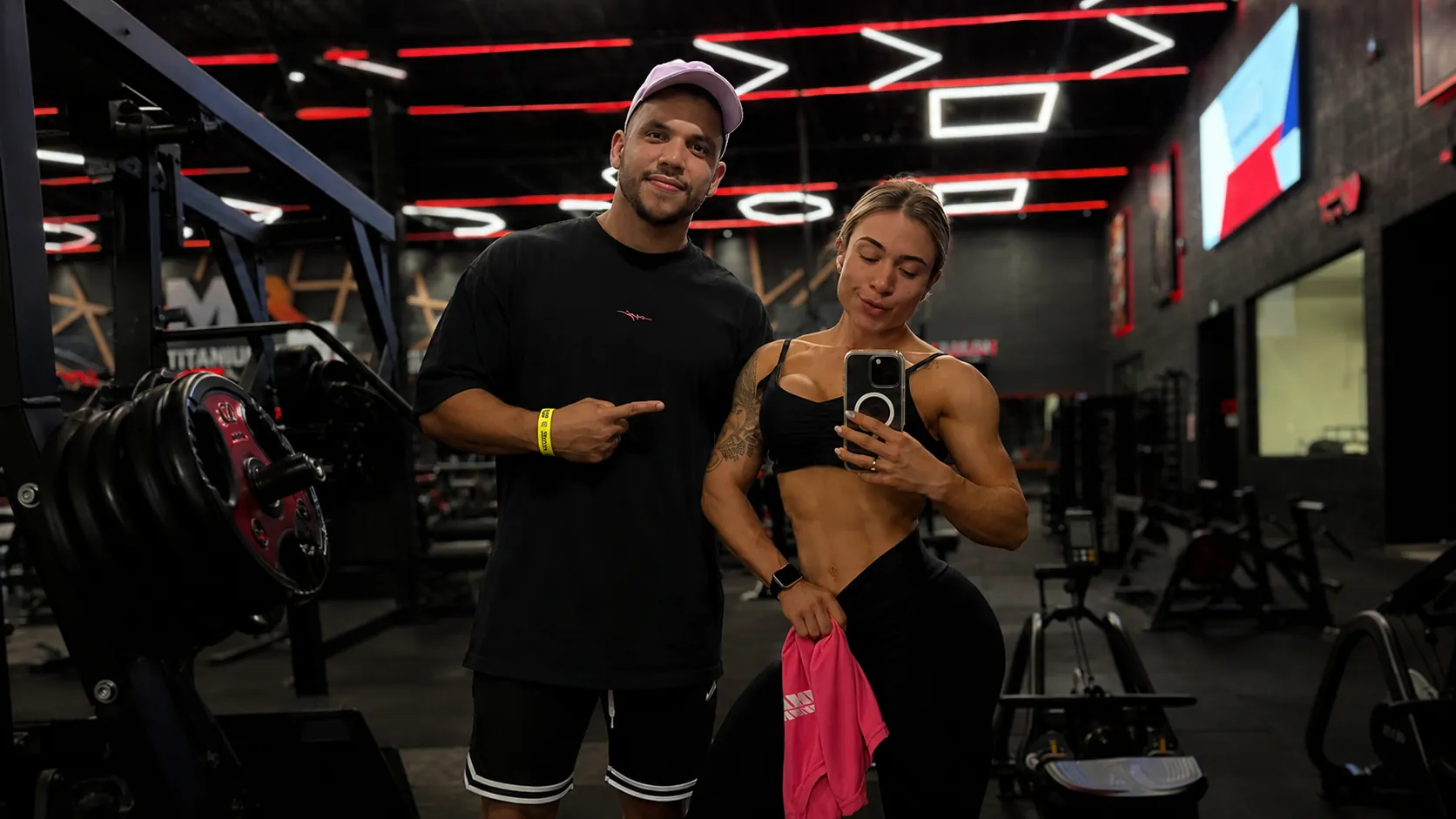
To lose weight, the diet directly influences the energy deficit; To gain strength and muscle mass, resistance training provides the stimulus that diet cannot create. For body composition and health, the most useful question is not to choose one, but to define the minimum viable of each one.
What does this mean in practice
A person can lose weight without weight training, but is at greater risk of losing lean mass without adequate stimulus and protein. You can also gain strength without the perfect diet, but insufficient energy and low nutrient intake limit recovery. The best balance changes with the objective and the phase of the process.
The starting point needs to be simple enough to do and clear enough to measure. The result does not come from an isolated rule, but from the combination of appropriate decision, repetition, observation and adjustment. This is why the same advice may work for one person and need adaptation for another.
Use this content as a map to talk to professionals. The prescription depends on your assessment, your objective and your response to the process.
How to apply without transforming the routine in an impossible project
- Step 1: Define the main objective of the cycle
- Step 2: Choose a sustainable training routine
- Step 3: Organize base meals
- Step 4: Measure performance and body trend
- Step 5: Adjust one factor at a time
Choose one or two points to start and record what happened. If the strategy only works in a perfect week, it is not yet adapted to your life. Monitoring uses these records to differentiate between lack of information, difficulty in execution and the need to change the plan.
Common errors that seem like discipline, but get in the way
- Use training to pay for food
- Waiting for a supplement to resolve training without progression
- Cut calories while increasing the entire volume
- Change both plans weekly
Noticing an error does not mean that the process failed. It means that information has emerged for the next decision. Gradual adjustments preserve learning and help understand which variable really changed the result.
Limits, safety and individualization
Aesthetic objectives should not outweigh signs of health. Persistent fatigue, menstrual changes, compulsion and pain require a review of the process and, when necessary, a multidisciplinary team.
Health and exercise content should be transparent about uncertainty. Tracks and recommendations describe group trends; the decision for a person considers history, symptoms, preferences, exams when relevant and professional responsibility.
Frequently asked questions
Does diet alone define the body?
Diet changes weight and energy availability; Training influences strength and muscle mass. Definition depends on the combination.
Does only training lose weight?
It can increase spending and improve health, but food continues to influence energy balance.
Where to start?
Start with the largest bottleneck and adopt minimal action on the other pillar. A simple plan for both is usually more sustainable.
Do I need to do everything perfectly?
No. Consistency and fit beat short perfection.
Sources and review criteria
The content is educational, was revised on 07/23/2026 and prioritizes official guidelines and scientific literature. It does not replace individual assessment.
Do you want to transform general guidance into a plan made for you?
Discover the training and diet guide and see how the integrated consultancy works.